
DIGITAL NOMADS
FOR GOOD

volunteer Medellín

DNFG BLOG POSTS

Medellín’s Transformation and Social Innovation

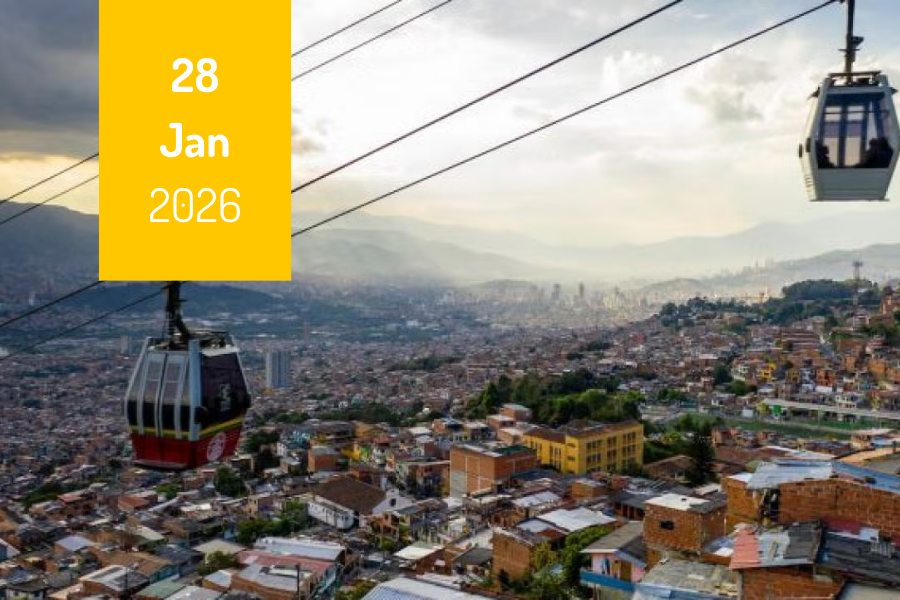
How the MetroCable and Libraries shaped a city If you’ve spent any time in Medellín, you’ve probably heard the big story:from one of the most violent cities in the 1980s-90s in the world to a city of innovation in the 21th century. Cable cars reaching hillside neighbourhoods. Library parks popping up in places that used to be isolated. Lights illuminating places that used to be dark and violent. Let’s sit down, have a cup of coffee, and talk about how Medellín got here — the wins, the contradictions, and the things that still need work. Metrocable: Not Just a Cable Car but Real Daily Mobility One of the most celebrated pieces of Medellín’s urban strategy is the Metrocable. It was implemented to connect hillside barrios that were historically isolated from the city’s main services and job markets. Here’s what the data says: The Metrocable started in 2004 with Line K, connecting Acevedo to Santo Domingo Savio, a community that was previously very hard to reach. (ONU Habitat) As of now, the Metrocable network has five lines in operation, all integrated with the Medellín transit system to serve informal hillside settlements. (REDEUSLAC) According to transit data, Metrocable is used by approximately 90,000 passengers per day, mostly residents who depend on it for work, school, and daily life. (REDEUSLAC) The new Line P (Picacho) alone is expected to serve up to 36,800 passengers daily, and further boost connectivity in the northwest of the city. (El Tiempo)   These are everyday commuters. Metrocable drastically reduced travel times from over two hours on foot or bus to under an hour, and integrated hillside communities into the rest of the city’s transport network. (Instituto de Recursos Mundiales) This kind of integrated mobility has been fundamental to Medellín’s broader social urbanism strategy: using infrastructure to reduce geographic isolation and open up opportunities to study, work, get healthcare and more. Library Parks: Bridges to Knowledge Another big idea in Medellín’s transformation was Library Parks (Parques Biblioteca): large cultural facilities built in hillside communities to boost access to education and public space. Medellín built about ten library parks in the 2000s and 2010s, aimed at historically underserved areas. (The Colombian Way) These were part of an intentional strategy to link mobility (Metrocable) with access to knowledge and community space. (Springer)   One of the most iconic was Biblioteca España in the Santo Domingo Savio neighbourhood, a striking architectural project meant to symbolise inclusion and opportunity. Biblioteca España: Closed for Years, Still Recovering This is where the story gets complicated. Biblioteca España opened in 2007, but structural problems soon emerged in its construction. Studies show major defects that compromised safety, forcing it to close in 2015. (Springer) The facility remained closed for nearly seven years while repair plans were debated and delayed. (Alcaldía de Medellín) In 2022 official works finally began to rehabilitate the building, supported by a municipal investment of billions of pesos, with the intent that it will serve hundreds of thousands of visitors annually once fully reopened. (Alcaldía de Medellín)   The closure wasn’t just symbolic. For residents who once used the space for study, workshops, community events and youth programs, it meant years without key services, despite the building’s impressive promise. That extended shutdown underscores how maintenance, follow-through and long-term programming matter just as much as the initial investment. Parque de las Luces: Lights That Don’t Always Shine Medellín’s Parque de las Luces (also known as Plaza Cisneros) is another visible emblem of transformation, a downtown public space designed to turn a once-neglected area into a civic heart. Here’s what official Colombian sources and reporting confirm: Plaza Cisneros includes about 300 tall light pillars, intended as an “urban forest of light” to revamp public space. (Wikipedia) The redesign was inaugurated in 2005 as part of downtown renewal efforts. (El Colombiano)   But in reality: The lighting infrastructure often doesn’t function as intended because maintenance has lagged behind its original design and equipment has deteriorated. Local guides and community observers consistently recommend visiting only in daylight and caution that the area surrounding the plaza — especially at night — remains unsafe due to poor lighting and security challenges. (Colombia Travel)   Medellín’s Takeaway: Transformation Isn’t a Moment, It’s a Long Process Numbers give us scale, but they don’t tell the whole story.What’s clear is: Metrocable is a daily lifeline for thousands of residents, especially in lower-income areas. Library parks were meant to be community hubs, and several are vibrant, but some have struggled with inconsistent funding, programming, and accessibility, especially in places where people manage long work days and limited leisure time. Large architectural investments like Biblioteca España became symbols of transformation, but when they are closed or underutilized, that symbolism can feel hollow.   What makes Medellín fascinating isn’t only the installed infrastructure, it’s how the city tests big ideas in real life. The Metrocable changed how people move through the city and how many people have access to oppertunities.Library parks changed how people access learning spaces.Public plazas changed how people rethink civic space. But when  places like Biblioteca España shut for years, or when Parque de las Luces doesn’t light up at night, we see the limits of how hardware without maintenance and community involvement. The lesson is that urban innovation is an ongoing commitment, not just a one-time achievement. Want to dive deeper? Check out these tours: Innovation & Transformation Tour – Real City ToursA locally led tour that explores Medellín’s urban transformation, social innovation, and the realities behind the city’s global reputation, through history, context, and personal stories. https://www.realcitytours.com/ La Sierra Coffee TourA community-based coffee tour in the hillside neighbourhood of La Sierra. Travel using public transport and the Metrocable, walk through the barrio with local guides, and visit an urban coffee farm that supports local livelihoods. https://www.urbancoffeetour.com/ Key Sources • Official Medellín mobility stats (transportation and public transit data) — Alcaldía de Medellín. (Alcaldía de Medellín)• Metrocable lines, ridership and social impact context — ONU-Habitat and Colombian transit reporting. (ONU Habitat)• Biblioteca España closure and
DNFG BLOG POSTS

Volunteering in Medellín? Here’s Your Essential Guide to Settling In, Staying Safe & Giving Back

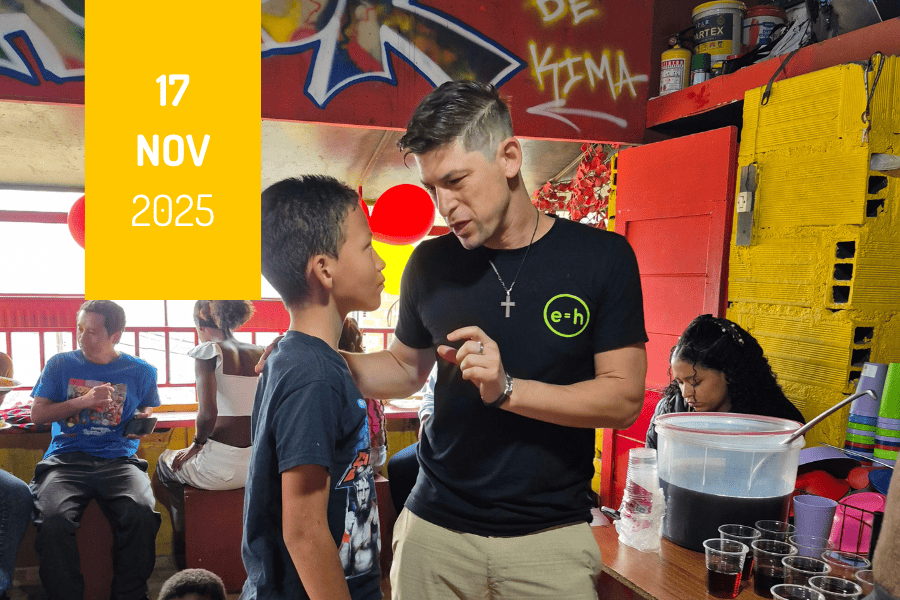
Moving to Medellín to volunteer is exciting. It marks the beginning of a meaningful chapter in a city full of contrast, colour, and community. Whether you’re staying for a few weeks or several months, this guide is designed to help you settle in smoothly, contribute mindfully, and avoid common mistakes along the way. Medellín, often referred to as the City of Eternal Spring, has a lot to offer. Like any major city, it also comes with its own rhythms, unspoken rules, and social dynamics. Taking time to understand the local context will not only make your stay safer and more rewarding, it also shows respect for the communities you are here to support. Start by getting to know the history of the city. A great way to do that is by joining a free walking tour. Real City Tours offers one of the most highly rated free walking tours in Latin America. In about three hours, you’ll learn about Medellín’s complex past, its transformation, and the cultural context that shapes the city today. For those who want to dive deeper, their Barrio Transformation Tour explores how specific neighbourhoods have changed over time and invites critical questions about who really benefits from urban development. As you get oriented, it’s important to explore the neighbourhood where you will be living, volunteering, or spending your free time. If you’re unsure about safety or logistics, ask your local contacts for advice. As a general rule, stick to streets that are well lit and have open shops or foot traffic. Avoid dark alleys or shortcuts through quiet areas, especially after sunset. If you’re looking to contribute but can’t commit to long-term volunteering, Digital Nomads for Good shares one-time volunteer opportunities on their Instagram every week. These events are easy to join, welcoming, and give you the chance to discover different parts of the city while supporting local grassroots organisations. How to Meet People There’s a thriving mid- to long-term international community in Medellín. There are many WhatsApp groups where you can meet like-minded people. You’ll find a long list of recommended groups through the MDE Community platform. On their website you can also find events, such as the monthly picnic at Parques del Río, the Breakfast Club, and other themed meetups, are a great way to build genuine connections beyond the usual expat bubble.Onother list of WhatsApp groups you can find here. Fun Things to Do Dance classes are a great way to immerse yourself in Colombian culture. Popular studios include Son Havana, DanceFree, and Ven Bailalo, the last one offers structured four-week courses. Most schools are very active on Instagram, so you can easily check their current offerings.Language exchanges are also a good way to meet people. They help you improve your Spanish while giving others the chance to practise their English. You’ll find these events all over the city, often in cafés or cultural spaces.If you’re into hiking, check out groups like Vámonos de Caminata or Kinkaju Hikes. They organise regular treks in and around Medellín and are open to all experience levels. The Instagram page MedellInglés is also a great resource to keep track of what’s going on in the city. To experience the city like a local, try joining Ciclovía on Sundays. Main roads are closed to cars and opened up for cyclists, runners, and skaters. It’s a fun and easy way to explore the city alongside local families and athletes. Another great option is to join free group fitness activities offered by INDER, the city’s public sports and recreation organisation. They host free yoga, dance, and fitness classes in parks throughout Medellín.On more relaxed days, you can visit one of the city’s large shopping malls. Santafé in El Poblado, Arkadia in Belén, and Unicentro in Laureles are all popular options. They offer everything from food courts to cinemas to coworking cafés. Money Tips Be cautious with ATM withdrawals, as not all machines are equal. Banks like Davivienda and BBVA typically allow you to withdraw up to two million pesos per transaction, which helps reduce the ATM fees. More importantly, when the ATM asks whether you want to accept the conversion rate, always select “No.” Let your home bank handle the currency conversion. Saying yes can cost you 20 to 30 dollars extra per withdrawal. Safety First There are a few things that are best avoided altogether. One of the most serious risks for foreigners involves dating apps. Unfortunately, there are organised groups that specifically target international visitors through these platforms. Incidents involving drugging and robbery have been reported.If you choose to use dating apps, meet in a public place, share your live location with a friend, and never take your passport or all your cards with you. Pickpocketing is another common issue in busy areas. Carry only what you need, use a crossbody or anti-theft bag, and keep your passport and backup cards locked up in your hotel, hostel, AirBNB or home. Extra caution is recommended in November and especially December, as crime tends to increase due to social pressures and larger crowds during the holiday season. Learn the Language One of the most valuable things you can do while volunteering in Medellín is to learn Spanish. Even basic phrases will make your experience far more meaningful. It improves your ability to connect with the people you are helping and opens doors to deeper understanding.Excellent language schools in the city include OLSA, Blink Spanish, and Elefun. The Universidad Pontificia Bolivariana (UPB) also offers structured courses. Whether you stay for a few weeks or many months, investing in language skills will enhance everything from grocery shopping to real conversations. Practical Matters Get a local SIM card early on. Claro and Tigo are widely used providers. You can often buy a pre-registered SIM from a street vendor. Be sure to ask if it’s already registered to avoid administrative issues later, including phone blocking.Some helpful apps to download include Uber, Cabify, or InDrive for safe transportation. Google Translate with offline Spanish is also a great tool, especially in the beginning.Bring a reusable

DNFG BLOG POSTS

5 Meaningful Ways to Give Back as a Traveler, Digital Nomad, or Expat in Medellín

Whether you’re in Medellín for a week, a season, or the long haul, there are meaningful ways to connect and give back. From ethical tours and skills-based volunteering to simply choosing where you spend your pesos, this guide shares five practical ways for travelers, expats, and digital nomads to make a positive impact while exploring Colombia’s City of Eternal Spring.

DNFG BLOG POSTS

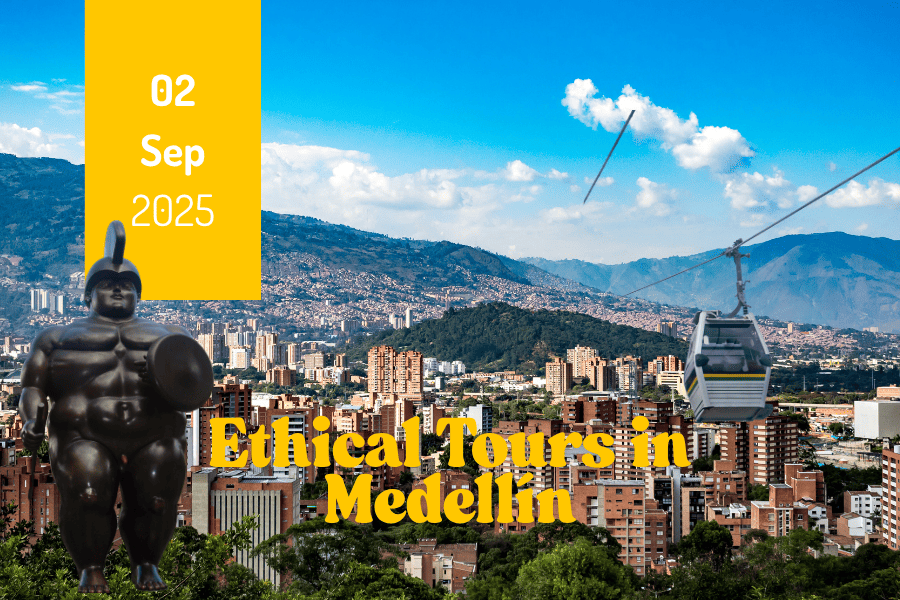
 8 Ethical Tours in Medellín That Actually Give Back

See the city, support its people. Medellín is known for its transformation, from a city marked by violence to one celebrated for innovation, culture, and resilience. But behind the stunning street art and vibrant cable car views are real communities still navigating complex histories and social challenges. If you’re a traveler, digital nomad, or expat living in Medellín, chances are you’ve joined a tour or two. But what if your next experience could benefit the people who make this city what it is? Whether you’re here long-term or just visiting, here’s how to experience Medellín consciously, and make a real difference while you’re at it. 1. Comuna 13 History Tour – Comuna Project Why it matters:Comuna 13 has become Medellín’s most visited neighborhood, but not all tours serve the community equally. The Comuna Project is a local initiative run by residents who have lived the story they tell. Tour profits support psychological support groups, youth education, and community workshops. What you’ll experience:A raw, powerful, and hopeful tour, led by locals, that explores the true history behind Comuna 13’s transformation. You’ll walk its colorful streets, but also hear the stories behind the murals, the trauma of the past, and the strength of rebuilding. Cost: 125.000 COP / ~$30 USD per personImpact: 100% of donations go to local community programs.More info: comunaproject.org This tour is perfect for anyone looking to volunteer in Medellín or support a charity Medellín initiative with real, measurable impact. 2. Emberá Social Tour – Real City Tours Why it matters:Have you walked through the city and have you seen the women in colorfull dresses selling juwlery? Those are the Emberá. The Emberá are one of Colombia’s many Indigenous communities, often marginalized in urban life. This tour is designed in partnership with the Emberá people themselves, offering a space to share their culture authentically and receive fair compensation. What you’ll experience:An immersive, respectful encounter with Indigenous culture in the urban environment of Medellín. Learn how the Emberá ended up in Medellín, how they live, what challanges they face. In this tour you’ll see traditional dress, hear their traditional stories and maybe even taste their traditional drink “chicha”. It’s educational, intentional, and human. Cost: 100.000 COP / ~$25 USD per personImpact: Half of each booking goes directly to La Casa Embera, supporting displaced Indigenous families in Medellín.More info: realcitytours.com It’s one of the most meaningful ways to donate in Medellín, through your presence, curiosity, and fair participation. 3. Barrio Transformation Tour – Real City Tours Why it matters:Moravia was once a garbage dump. Today, it’s a living example of community resilience. This tour is led by locals and directly supports education and social programs in the neighborhood. What you’ll experience:You’ll walk through an urban garden built on a former landfill, learn about sustainable urban planning, and witness the creativity and resistance that define this area. In this tour you will learn a bit more about cultural structures and wonder “Is Medellín really that innovative?” Cost: 100.000 COP / ~$25 USD per personImpact: Part of the tour proceeds support community-run projects in Moravia.More info: realcitytours.com/barrio-transformation-tour Great for digital nomads who want more than coworking spaces, this tour lets you connect with the real Medellín, and support long-term change. 4. Urban Coffee Farm Tour – Barrio La Sierra Why it matters:Once a neighborhood known for violence, La Sierra is now home to a community-led coffee farm that offers tourists a warm welcome, and a deeper understanding of Medellín’s transformation. The tour supports the local family who created the project and reinvests directly into the community’s economy. What you’ll experience:Take the cable car into the hills of Medellín, enjoy a guided walk through the coffee fields, and experience the full coffee process, from bean to cup, alongside breathtaking views and inspiring hosts. Cost: 200.000 COP /~$50 USD per personImpact: Direct income for the hosting family; supports community tourism development in one of Medellín’s least-visited but most dynamic barrios.More info: medellin-tours.com/tours/coffee-tour/ 5. Slow Fashion Tour – Impulse Travel Why it matters:Sustainable fashion is rising in Medellín, thanks to local designers who care about fair labor, circular design, and empowering women artisans. This tour highlights their work, and helps expand their reach. What you’ll experience:Visit studios, meet designers, learn about conscious production, and maybe even shop (ethically). Every stop on the tour is handpicked for its social impact. Cost: 180.000 – 220.000 COP / ~$40–60 USD per personImpact: Designers and artisans receive direct income from each stop. Impulse also supports entrepreneurship programs.More info: impulsetravel.co Ideal if you’re a digital nomad in Medellín who wants your lifestyle to reflect your values. 6. MATT Experience – Matt Mobility Why it matters:Medellín is beautiful, but not always accessible. This tour is designed by and for people with limited mobility, using electric mobility chairs (MATTs) and led by guides who know the challenges firsthand. What you’ll experience:A unique, inclusive city tour that offers a new lens, both physically and emotionally. By joining, you’re supporting employment for people with disabilities and promoting a more inclusive urban future. Cost: 130.000 COP – 200.000 COP / $32–50 USD per personImpact: Tours are led by people with disabilities, and proceeds create jobs and fund accessibility advocacy.More info: www.mattexperiencias.com/tours 7. TuriBike E‑Bike Tour – Turibike Why it matters:With Medellín’s traffic and pollution, e-bikes are a smart and green way to explore. Turibike partners with local guides and promotes eco-conscious travel, fair pay, and sustainable city living. What you’ll experience:Cruise through Medellín’s key neighborhoods, enjoy local snacks, and hear real stories from proud paisas, all while reducing your environmental footprint. Cost: 160,000 – 180.000 COP /~$40 – 45 USD per personImpact: Guides are Medellín locals earning fair pay; tours reduce carbon impact and support responsible tourism.More info: turibike.com 8. Medellín Honey Tour – De Lirio Miel Why it matters:This experience takes you just outside Medellín to a local family-run beekeeping project that promotes ecological education, sustainability, and community inclusion. What you’ll experience: Suit up in protective gear, step into the apiary, and learn about bees, pollination, and sustainable agriculture. It’s an ideal group experience, interactive, outdoors, and unexpectedly fascinating. Cost: 200.000 COP / ~$50 USD per personImpact: Supports local honey production, pollinator education, and environmental awareness in Antioquia.More info: instagram.com/deliriomiel Why ethical travel matters Ethical tours don’t just check a box. They challenge extractive tourism by investing in people, stories, and progress. When

DNFG BLOG POSTS

The Price of Goodness: Rethinking Spending vs. Giving

As digital nomads, many of us pride ourselves on being conscious global citizens. We value experiences over possessions, connection over status. But here’s something worth examining: why do we spend hundreds — even thousands — on gadgets, coffee, or clothing without question, but hesitate when it comes to giving to a good cause? We trust big-name brands and products instantly, often without knowing where or how they were made. Yet we treat charities — especially smaller or unfamiliar ones — with skepticism. It’s a contradiction worth unpacking. Trusting Products, Doubting Purpose Let’s start with our spending habits. Most of us buy clothing or electronics with little thought about the supply chain. Yet behind many of these purchases are unsettling truths. An EU-backed campaign revealed that 93% of top fashion brands fail to pay a living wage to garment workers [1]. Meanwhile, our smartphones often rely on cobalt mined in dangerous conditions — including by over 35,000 children in the Democratic Republic of Congo [2]. These facts are well-documented, yet rarely do they affect our choices. We keep buying because the products are desirable, the marketing is strong, and the consequences feel distant. But when it comes to charitable giving, we often react differently. We ask: Is this organization legitimate? How much of my donation actually helps? Can I really trust them? According to recent data, only 57% of Americans trust nonprofits [3]. Among younger generations like Gen Z, trust drops even lower — to just 46%. That’s troubling, especially considering this same demographic often advocates for social justice and global equality. It seems we’re far more likely to give the benefit of the doubt to a trendy brand with questionable practices than to a nonprofit that might be doing life-changing work. Why? Where Does the Skepticism Come From? There are reasons. Some of us have heard of scandals or stories of misused donations. Others have internalized the belief that charities should run on the bare minimum — any money spent on marketing, salaries, or office space feels like a misuse of funds. This idea, known as the “overhead myth,” has long haunted the nonprofit world [4]. We often expect those who work in charities to be self-sacrificing — to do it “for the love” rather than for fair pay. But this mindset does more harm than good. Expecting nonprofit professionals to live in poverty is not only unfair — it’s also ineffective. Talented people need decent salaries, especially when their work involves saving lives, managing complex logistics, or operating in high-stress environments. We wouldn’t expect a startup CEO or a skilled software developer to work for minimum wage — so why do we expect it from nonprofit leaders or field workers? There’s also a psychological element. With a purchase, we get immediate results — a phone, a meal, a piece of clothing. But when donating, the outcome feels abstract. We want to know: What exactly did my money do? That’s a good impulse — but it can lead to inaction if we don’t have clear answers. When Giving Truly Works Despite our doubts, the evidence is clear: nonprofits — large and small — have helped change the world for the better. These are massive, measurable shifts. They didn’t happen overnight. They happened through sustained effort — and funding.And while these global statistics are compelling, there’s another layer to the story: the local heroes. The Power of Local-Led Charities It’s not just large international NGOs making an impact. Around the world, small, community-led charities are solving problems in ways outsiders often can’t. These are organizations founded and run by people who live in the communities they serve. They understand the culture, the challenges, and the resources in a way no external group can replicate. In places like Medellín, we see it all the time: local leaders running after-school programs to keep youth off the streets, organizing food relief drives, creating safe spaces for LGBTQ+ youth, or building networks of care for single mothers. These charities might not have fancy websites or big marketing budgets. But they are trusted, effective, and embedded in the community. Supporting these organizations matters. And your donation — even a modest one — can go a long way. Small charities are often underfunded but incredibly efficient. A $50 donation might mean a week’s worth of groceries for a struggling family or school supplies for an entire classroom. Hot Topics Worth Thinking About The nonprofit sector is not perfect — but it’s evolving. Here are three critical conversations happening right now: 1. Should Charity Workers Earn Fair Salaries? The answer is yes — but with transparency. People doing hard, emotional, often dangerous work deserve a decent wage. And the public deserves honesty about where their money goes. Several U.S. states now require nonprofits to publish salary ranges [9], and more are following. 2. How Do We Know Our Donations Work? Donors want to see impact — not just good intentions. More organizations are sharing stories, photos, and data about what donations make possible. For smaller, local charities, this might come in the form of social media updates or personal testimonials — not big spreadsheets, but still meaningful. Surveys show that 75% of donors seek proof of impact before giving [5]. That trend is pushing the entire sector to become more transparent and accountable. 3. What Is Ethical Fundraising? Nobody likes being guilt-tripped into giving. Ethical fundraising means respecting donors and the dignity of those served. That means no manipulative tactics, and being honest about needs and limitations. It also includes turning down money from questionable sources — like fossil fuel companies trying to “greenwash” their image. Charities are increasingly drawing ethical lines in the sand, and donors are right to care. Aggressive fundraising also contributes to donor fatigue: less than 25% of first-time donors give again [10]. Sustainable giving relationships are built on trust, not pressure. Moving from Thought to Action So, what can you do? Final Thoughts Charity isn’t about guilt. It’s about values. It’s about

DNFG BLOG POSTS

Comuna Project — Tourism, Child Labor & Opportunity in Comuna 13: Walking the Line Between Harm and Hope

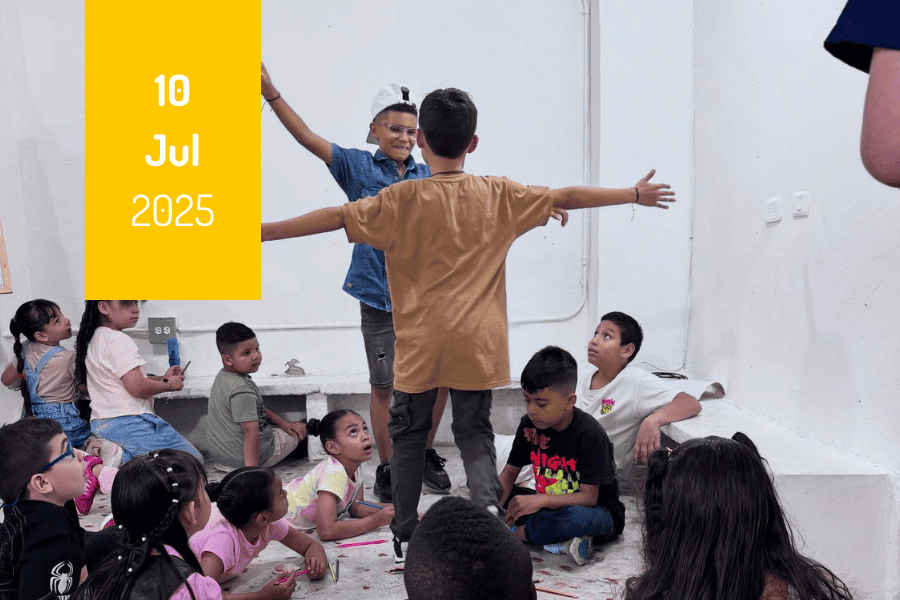
Medellín’s Comuna 13 is a place where stories are written on walls. Vibrant murals tell tales of survival, resistance, and hope—stories that tourists from all over the world now flock to see. But behind the colors and music lies a more complex reality, one where the growing popularity of the neighborhood has created both new dangers and new opportunities, especially for children. In recent years, many young people from Comuna 13 have turned to tourism as a way to earn money—giving guided tours, performing music or dance, or selling souvenirs. On the surface, it seems like a win-win: travelers get a raw, authentic experience, and local youth get an income. But is it that simple? The Hidden Risks of Child Labor in Tourism When children as young as 10 or 12 begin earning money from guiding tours or entertaining tourists, the immediate financial reward can be life-changing. For many families in low-income neighborhoods like Comuna 13, that extra income is vital. However, this early entry into the workforce can come at a cost. Many young tour guides end up missing school or dropping out altogether. Education becomes less of a priority when there is daily cash on the table. The work itself may seem harmless—telling stories, showing murals—but the long-term impact can be damaging: a child becomes dependent on tourism, lacks a formal education, and grows up without the tools needed for a more stable future. Worse, this dependency is tied to a volatile industry. If tourism slows down due to economic shifts, pandemics, or safety concerns, the income disappears overnight, and these young workers are left with no backup plan. In some cases, this vulnerability has been exploited by local gangs or opportunists who push youth into informal, sometimes dangerous, forms of labor under the guise of “culture.” The Double-Edged Sword of Mass Tourism Comuna 13 now receives up to 90,000 visitors every month. While tourism has brought investment and attention to a once-forgotten neighborhood, it has also created pressure on the community. Narrow streets are overcrowded, noise levels have increased, and local life has been disrupted. Some residents speak of a feeling of being “on display,” as if their struggles have become entertainment. In extreme cases, the tourist gold rush has even attracted the return of criminal groups, who see opportunity in controlling access, demanding payments, or exploiting the informal economy that has grown up around tourism. Yet, despite these risks, tourism also holds incredible potential—if managed with care. Comuna Project: A Model of Responsible Empowerment Enter the Comuna Project Foundation, a nonprofit rooted in the community focused on mental health and education. Since 2016 an all volunteer team has worked hand in hand with local residents – listening, learning, and building together.  This collaborative approach has led to the development of meaningful initiatives over the years, including the creation of Community Based Tourism (CBT).  Instead of simply handing kids a microphone and turning them into tour guides, Comuna Project takes a long-term, education-first approach. Their model is simple but powerful: In this way, the Comuna Project harnesses tourism without exploiting it. Visitors can still engage deeply with the stories of the neighborhood—but through a program that protects children’s rights, prioritizes education, and promotes sustainable development. From Passive Consumers to Active Supporters For travelers and digital nomads visiting Medellín, this presents an opportunity to travel consciously. Joining a tour with Comuna Project isn’t just sightseeing—it’s participating in a system that uplifts instead of extracts. It’s a way to ensure your money doesn’t perpetuate child labor or gentrification, but instead goes directly into education, opportunity, and local leadership. What’s more, the Comuna Project offers transparent ways to donate, volunteer, or spread awareness beyond your visit. In a world where tourism often leaves communities behind, this model shows what’s possible when locals lead, and visitors listen. A Path Forward Child labor doesn’t always look like factories or farms—it can look like a smiling 14-year-old guide leading a group of tourists down a mural-lined staircase. While it may feel empowering in the moment, we must ask: empowering for whom, and for how long? The Comuna Project offers a better answer. One where children are not workers, but learners, leaders, and creators. One where tourism doesn’t replace education, but funds and enriches it. And one where visitors are not just taking photos—but taking part in real, positive change. If you’re planning a visit to Medellín, don’t just walk through Comuna 13. Walk with intention. Walk with awareness. And walk with those who are building something lasting—brick by brick, beat by beat, and child by child.

0
Your Donation List
Your cart is empty
Scroll to Top